

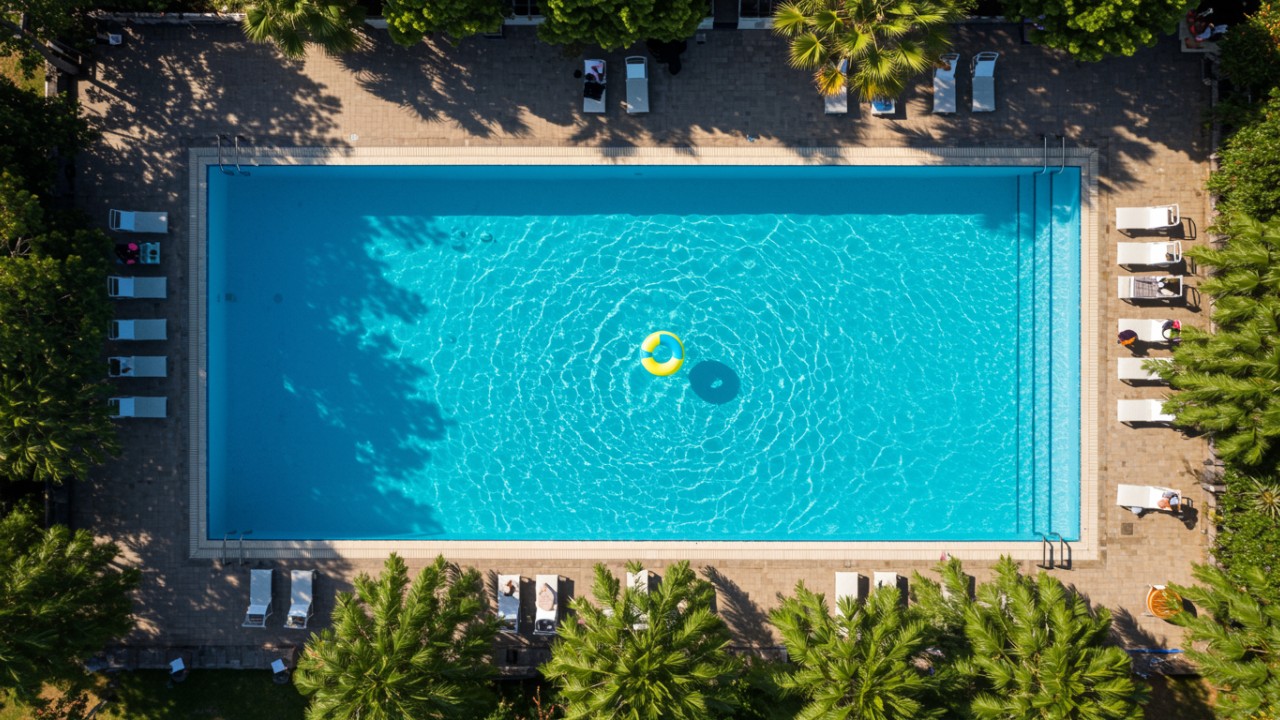
Summer heatwaves transform a relaxing backyard oasis into a challenging chemical battleground. When temperatures soar into the triple digits, maintaining a safe and sanitary swimming environment becomes incredibly difficult. Intense solar radiation and elevated water temperatures cause standard sanitizer levels to plummet rapidly, leaving your water vulnerable to sudden algae blooms and dangerous bacterial growth. This comprehensive guide outlines highly effective strategies to combat rapid chlorine burnoff, ensuring your water remains crystal clear and perfectly balanced even during the most severe and prolonged extreme heat events.
Understanding the Mechanics of Chlorine Loss in Extreme Heat
To successfully protect your aquatic investment during a heatwave, you must first understand the environmental forces actively destroying your chemical reserves. Sanitizer degradation is not a mystery; it is a direct result of scientifically measurable physical and chemical reactions driven entirely by the intense summer weather patterns.
The Destructive Power of Ultraviolet Rays
The primary enemy of an unbalanced swimming environment is raw ultraviolet radiation from the sun. Unprotected hypochlorite ions are highly unstable when exposed to direct sunlight. On a cloudless day with triple-digit temperatures, intense ultraviolet rays can completely strip away your free available sanitizer in a matter of hours. The radiation essentially breaks the chemical bonds of the sanitizer molecule, causing it to dissipate into the atmosphere as a harmless gas. This silent process leaves the water completely defenseless against incoming organic contaminants right when it needs protection the most.
High Temperatures and Bacterial Growth Rates
While ultraviolet light destroys the sanitizer from above, the elevated temperature of the water itself creates a secondary crisis from within. Warm water acts as an incubator for microscopic life. Algae spores and bacteria multiply exponentially faster in water that exceeds eighty-five degrees Fahrenheit. As these microscopic organisms reproduce, the remaining sanitizer works overtime to oxidize them. This creates a massive spike in chemical demand. You are effectively losing your chemical reserves twice as fast: once to the sun and once to the rapidly multiplying microscopic organic load thriving in the warm liquid.
Essential Chemical Adjustments for Heatwave Preparedness
Surviving a heatwave requires proactively adjusting your chemical parameters before the temperatures peak. Standard maintenance dosages are entirely insufficient when atmospheric conditions become extreme. You must fortify your water chemistry to withstand the impending thermal and radiological assault.
Optimizing Cyanuric Acid for Ultimate Protection
Cyanuric acid acts as a microscopic sunscreen for your sanitizer molecules. It binds to the active ions, shielding them from immediate destruction by ultraviolet radiation. During standard weather, a baseline level is sufficient. However, when meteorologists forecast a triple-digit heatwave, you must ensure your cyanuric acid levels are optimized perfectly within the ideal range of thirty to fifty parts per million. If the level is too low, the sun will instantly destroy your sanitizer. If the level is too high, the chemical sunscreen becomes a trap, rendering the sanitizer completely ineffective and unable to kill bacteria. Precise balancing of this specific stabilizer is the absolute foundation of heatwave preparedness.
Strategic Super-Chlorination During the Evening
Timing your chemical applications is just as critical as the chemicals themselves. Adding routine liquid or granular shock treatments during the peak afternoon heat is a massive waste of resources, as the sun will vaporize a large percentage of it before it can properly oxidize contaminants. Instead, you must shift your entire dosing schedule to the late evening hours after the sun has completely set. Elevating the sanitizer levels at dusk gives the chemicals eight to ten hours of uninterrupted darkness to thoroughly sanitize the water, eliminate the daily organic load, and establish a strong residual buffer before the sun rises to attack it the following morning.
Physical Interventions to Preserve Sanitizer Levels
Chemical adjustments are vital, but relying solely on liquid and granular products during a severe heatwave is financially draining. Incorporating physical barriers and mechanical assistance significantly reduces the chemical demand placed on your water.
Utilizing Solar Covers to Block Harmful Radiation
While often associated purely with retaining heat, an opaque or dark-colored solar blanket serves a critical secondary function during peak summer months. By pulling a physical barrier across the surface of the water during the most intense daylight hours, you physically block the ultraviolet rays from ever reaching the sanitizer molecules. This simple physical intervention can halt the degradation process almost entirely. Furthermore, the cover significantly slows down the evaporation process, which normally carries away dissolved chemicals and forces you to continually dilute the remaining balanced water with fresh, untreated municipal water.
Automating Debris Removal to Reduce Chemical Demand
Physical debris constantly enters your water through wind and usage. Every single leaf, insect, or microscopic particle of dirt that enters the aquatic environment requires active sanitizer to break it down. When the water is already experiencing elevated temperatures, this additional organic demand will instantly wipe out your remaining sanitizer reserves.
By utilizing an independent, autonomous pool vacuum robot, you can extract the vast majority of physical contaminants directly from the floor before they begin to decay. These intelligent machines collect dirt in their own internal canisters, completely removing the burden from your primary filtration system. This drastically reduces the organic dirt load, safely preserving your vital chemical reserves for combating microscopic threats rather than digesting dead leaves.
Monitoring and Maintaining Water Circulation
Stagnant water is the catalyst for disaster during extreme heat. Even perfectly balanced water will quickly fail if it is not moving consistently. Proper hydraulic management ensures that the protective chemicals are evenly distributed to every corner of the basin.
Adjusting Pump Schedules for Maximum Efficiency
During normal weather patterns, running the main circulation pump for eight hours a day might be sufficient to achieve a single turnover. However, a triple-digit heatwave demands increased hydraulic activity to prevent warm pockets from forming in the deep end. You must extend your pump operation schedule. Running the pump continuously during the daylight hours ensures that the newly warmed surface water is constantly mixed with the cooler water below. This uniform temperature distribution prevents localized algae blooms and guarantees that your protective sanitizer is constantly moving across every square inch of the submerged surface.
Managing Surface Agitation and Evaporation
While deep water circulation is necessary, excessive surface agitation during a heatwave can be detrimental. Water features like fountains, sheer descents, and aggressively angled return jets increase the total surface area of the water exposed to the dry, hot air. This massive increase in exposure rapidly accelerates evaporation, taking your carefully balanced chemistry into the atmosphere. During an extreme heat event, it is highly advisable to temporarily disable decorative water features and aim your return jets slightly downward. This strategy maintains the crucial deep-water circulation without needlessly accelerating the evaporation rate and subsequent chemical loss.
Conclusion
Managing water chemistry during a triple-digit heatwave is a complex balancing act that requires foresight, precise chemical adjustments, and strategic physical interventions. By understanding the devastating effects of ultraviolet radiation and elevated water temperatures, you can take proactive measures to fortify your backyard environment.
Optimizing stabilizer levels, shifting chemical applications to the evening hours, utilizing physical covers, and relying on autonomous cleaning technology will drastically reduce your overall chemical demand. Implementing these protective strategies ensures your water remains perfectly sanitary, crystal clear, and ready for swimming precisely when you need a refreshing escape from the sweltering summer heat the most.
