

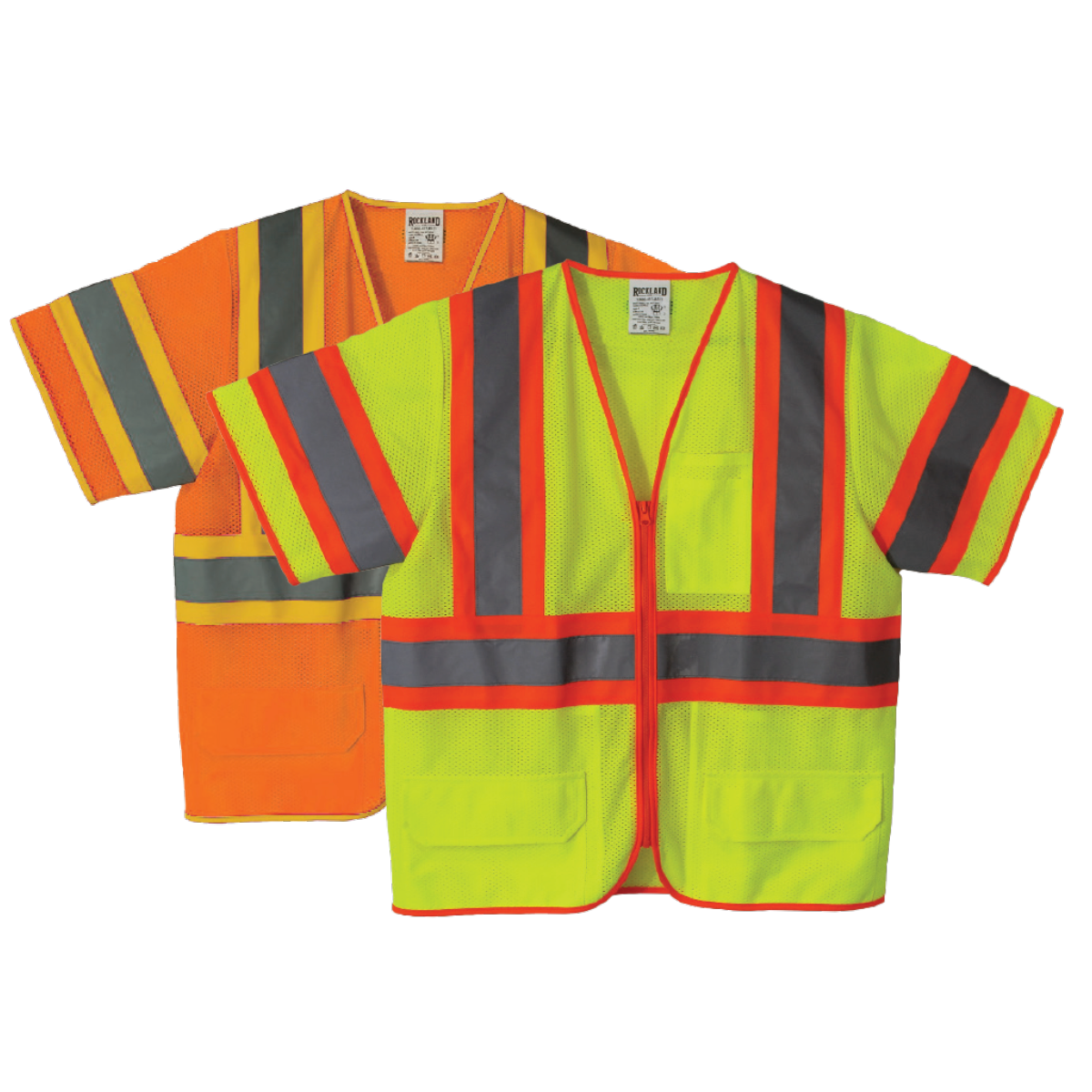
In high-risk industries such as construction, transportation, logistics, and utilities, worker visibility is a critical factor in preventing serious accidents. As jobsites expand and workers are exposed to higher traffic speeds and complex machinery, employers increasingly depend on the class 3 safety vest to provide the highest level of visibility and protection in demanding work environments.
Understanding High-Risk Visibility Conditions
Many worksites operate under conditions where visibility is severely limited. Night shifts, roadside operations, inclement weather, and fast-moving traffic all increase the likelihood of struck-by incidents. In these situations, standard safety apparel may not provide sufficient visibility to keep workers safe.
Class 3 safety vests are specifically designed for environments where workers face high-speed vehicle exposure or complex visual backgrounds. They offer the most comprehensive visibility coverage, helping workers remain noticeable from greater distances and multiple angles.
What Sets Class 3 Safety Vests Apart
Class 3 safety vests are engineered to deliver maximum visibility by incorporating bright fluorescent materials combined with extensive reflective striping. Unlike lower-class vests, Class 3 garments provide full torso coverage and include reflective elements on the shoulders and sleeves.
This 360-degree visibility ensures workers can be seen whether they are facing, turning, bending, or working alongside equipment. The added coverage is especially important for environments where drivers and operators need early visual recognition to react safely.
Enhancing Compliance and Safety Culture
Regulatory standards emphasize the importance of matching safety apparel to the level of risk present on the jobsite. Class 3 safety vests help organizations meet these expectations while reinforcing a proactive approach to worker protection.
Beyond compliance, high-visibility apparel promotes accountability. When workers are clearly visible and easily identifiable, supervisors can better monitor site activity, and workers are more likely to remain aware of their surroundings and responsibilities.
Industry Applications Where Class 3 Visibility Matters Most
Construction:
Large construction projects often involve multiple crews, cranes, and heavy equipment operating simultaneously. Class 3 safety vests improve worker visibility across expansive sites, reducing the risk of equipment-related incidents.
Transportation and Logistics:
In shipping yards, rail facilities, and distribution centers, workers frequently operate near moving vehicles. Class 3 visibility ensures drivers can detect workers earlier, improving reaction time and reducing collision risks.
Utilities and Roadwork:
Utility crews and roadwork teams are commonly exposed to high-speed traffic during emergency repairs or nighttime operations. Class 3 safety vests help ensure workers remain visible to motorists, law enforcement, and fellow crew members even in low-light conditions.
Comfort and Durability for Daily Wear
While Class 3 safety vests provide maximum visibility, modern designs also prioritize comfort and durability. Lightweight materials, breathable fabrics, and ergonomic fits allow workers to wear the vest for extended periods without restriction.
Durable construction ensures the vest withstands harsh conditions, repeated laundering, and daily wear. This longevity makes Class 3 safety vests a cost-effective investment for companies focused on long-term safety performance.
Supporting a Professional Jobsite Image
High-quality safety apparel does more than protect—it communicates professionalism. When workers wear standardized, high-visibility garments appropriate for their risk level, it reinforces a company’s commitment to safety and operational excellence.
Clients, inspectors, and the public often associate visible safety measures with reliability and responsibility. A consistent approach to safety apparel strengthens trust while supporting a positive safety culture on-site.
A Smart Investment in High-Risk Work Environments
For jobsites with fast-moving traffic, limited visibility, or complex operations, Class 3 safety vests are not optional—they are essential. Their enhanced coverage, superior reflectivity, and durability make them a vital component of any comprehensive safety program.
To explore professional-grade Class 3 safety apparel designed for demanding work environments, visit National Safety Gear and learn more about solutions that prioritize visibility, compliance, and worker protection
