

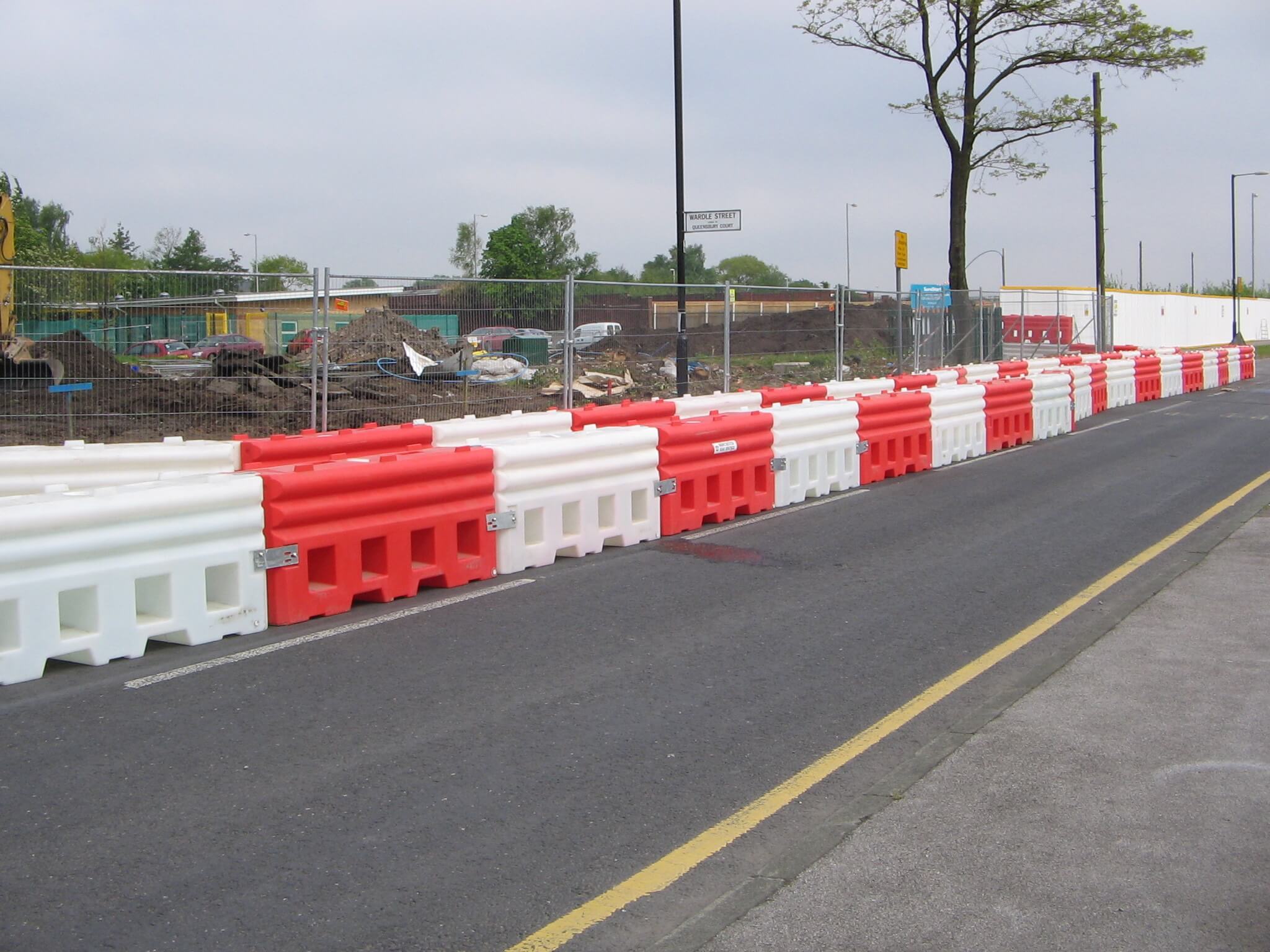
In the demanding environment of modern construction, site safety is a non-negotiable priority. Construction barriers have evolved far beyond simple wood and tape, with plastic barricades emerging as a critical tool for project managers who need to balance heavy-duty protection with operational agility. Unlike traditional steel or concrete alternatives, plastic construction barriers—often molded from high-density polyethylene (HDPE)—provide a lightweight yet resilient shield that can withstand the rigors of a job site while significantly reducing the risk of injury to both workers and the public.
Engineering for On-Site Resilience
Modern plastic barricades are engineered specifically for the harsh conditions of outdoor construction. Their design addresses the primary challenges of site management:
- Impact Resilience: Many polymer barriers are designed with “memory,” meaning they can absorb an impact from a vehicle or equipment and return to their original shape, unlike steel which bends or concrete which cracks.
- Weather & UV Resistance: Molded with UV-stabilized materials, these barriers resist fading, cracking, and corrosion, ensuring they remain visible and structurally sound through years of exposure to sun, rain, and extreme temperatures.
- Ballastable Stability: To prevent tipping in high-wind zones or high-speed traffic areas, many models feature fill ports that allow them to be ballasted with water or sand, increasing their weight to several hundred pounds for rock-solid stability.
Enhancing Site Safety and Compliance
A construction site is a dynamic hazard zone where clear delineation is lifesaving. Plastic barriers provide a level of visibility and flexibility that traditional materials cannot match:
- High-Visibility Guidance: Available in safety orange, yellow, and other fluorescent colors, plastic barriers ensure pathways and restricted zones are obvious even in low-light or poor weather conditions.
- Continuous Perimeter Control: Integrated interlocking systems allow for the creation of seamless, tamper-proof walls. This prevents pedestrians from slipping through gaps and creates a psychological and physical “hard boundary” around dangerous machinery or open trenches.
- Pedestrian-Friendly Design: With rounded edges and anti-trip feet, plastic barricades are far safer for public areas, reducing the risk of accidental cuts or falls compared to jagged steel or bulky concrete.
Operational Efficiency: Setup and Logistics
The logistical burden of moving concrete barriers often requires heavy machinery and days of labor. In contrast, Epic Crowd Control provides plastic solutions that prioritize rapid deployment:
- Portability: A single worker can often move and position multiple plastic units, allowing for quick reconfigurations as the project site evolves.
- Flat-Stack Storage: Many models feature rotating feet that allow the barriers to stack completely flat. This high-density stacking maximizes truck capacity and minimizes the storage footprint in the warehouse.
- ADA Compliance: Specialized models are available with flat-bottom designs to meet ADA requirements, ensuring that construction detours remain accessible to all pedestrians.
Conclusion: A Strategic Safety Investment
Selecting the right barrier system is a proactive commitment to site security and occupational health. By choosing footwear that provides a stable foundation for the worker and barriers that provide a stable perimeter for the project, businesses ensure they meet modern safety regulations with confidence. For professionals who demand the highest standards in durability, visibility, and ease of use, plastic construction barriers remain the premier choice for protecting the workforce and the public alike.
