

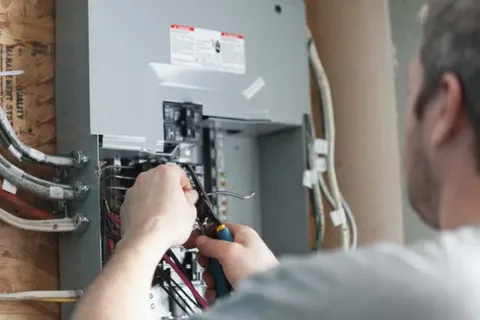
Virginia’s housing stock includes historic colonial homes, mid-century builds from the 1950s through 1980s, and everything in between. Older homes often have electrical systems that can’t safely handle modern appliances, HVAC units, home offices, or EV chargers.
Licensed electrical contractors in Virginia specialise in bringing outdated systems up to current code, capacity, and safety standards. They understand the unique challenges of working with legacy wiring while preserving the character that makes older Virginia homes so desirable.
What Electrical Issues Are Common in Older Virginia Homes?
Older Virginia homes frequently have outdated electrical systems that pose safety risks and cannot handle modern power demands. Residential electrical contractors in Richmond, VA, encounter these legacy issues regularly when assessing properties built before the 1990s.
Common problems in older electrical systems include:
- Knob-and-tube wiring from pre-1950s construction
- Cloth-insulated wiring that deteriorates over time
- Aluminum wiring is prone to overheating at connections
- Undersized 60-100 amp service panels
- Two-prong ungrounded outlets throughout the home
- Missing GFCI and AFCI protection
How Do Contractors Assess Older Systems?
Contractors start every upgrade project with a thorough assessment of the existing electrical infrastructure before recommending any work. This evaluation identifies safety hazards, code violations, and capacity limitations that need addressing.
The assessment process typically includes:
- Visual inspection of panels, wiring, and outlets
- Load calculations based on current and planned usage
- Panel and breaker condition checks
- Identification of code violations and safety concerns
- Documentation of existing circuit layouts
This comprehensive evaluation allows contractors to propose a realistic scope of work with accurate pricing. Homeowners receive clear information about what needs immediate attention versus improvements that can wait.
What Major Safety and Capacity Upgrades Do Older Homes Need?
Older homes typically require significant upgrades to meet modern safety standards and power demands safely. A certified residential electrical service company addresses these issues systematically to ensure lasting results.
What is a Service Heavy-Up and Panel Upgrade?
A service heavy-up increases your home’s electrical capacity from an older 60-100 amp service to 200 amps or more. This upgrade allows your home to safely support modern appliances, central HVAC systems, and future additions like EV chargers.
Panel upgrades involve replacing obsolete or hazardous electrical panels with modern equipment that meets current codes. Many older homes have Federal Pacific, Zinsco, or other recalled panels that present serious fire risks.
Key panel upgrade components include:
- New 200-amp main service panel
- Improved grounding and bonding connections
- AFCI protection for bedrooms and living areas
- GFCI protection for wet locations
- Proper labelling of all circuits
These upgrades significantly reduce fire and electrical shock risks while providing capacity for modern living requirements.
When is Whole-Home or Targeted Rewiring Necessary?
Rewiring is needed if the wiring is unsafe or cannot handle modern loads. Contractors often recommend replacing knob-and-tube, cloth-insulated, or aluminum wiring with modern copper circuits.
Many homeowners choose room-by-room rewiring to limit disruption while the home remains occupied during the project. This phased approach allows families to continue living comfortably while contractors work through different areas systematically.
New dedicated circuits typically get added for:
- Kitchens with multiple appliances
- Laundry rooms with washers and dryers
- HVAC systems requiring separate circuits
- Home offices with computers and equipment
- Media rooms with entertainment systems
These dedicated circuits prevent frequent breaker trips and overheated wiring that plague older homes with insufficient electrical infrastructure.
What Outlet and Switch Upgrades Improve Safety?
Updating outlets and switches throughout older homes improves both safety and daily convenience significantly. Two-prong ungrounded outlets cannot safely power modern electronics and appliances with three-prong plugs.
Contractors swap old receptacles for properly grounded three-prong outlets connected to updated wiring systems. GFCI outlets get installed in kitchens, bathrooms, garages, basements, and outdoor locations where moisture creates shock hazards.
Additional outlet improvements include:
- Tamper-resistant outlets for child safety
- USB outlets for convenient device charging
- Smart switches for lighting control
- Dimmer switches for ambiance and energy savings
- Weather-resistant covers for outdoor receptacles
What Comfort and Future-Ready Improvements Can Contractors Add?
Modern lifestyles demand more from home electrical systems than older homes were designed to provide. Electrical contractors in Virginia help homeowners prepare for both current needs and future technologies.
Common comfort and convenience upgrades include:
- Additional outlets in living areas and bedrooms
- USB charging outlets in convenient locations
- Improved lighting circuits with better control
- Exterior and patio power for outdoor living
- Garage circuits for workshops and tools
Forward-thinking contractors also prepare homes for emerging technologies by leaving panel space and wiring paths available. This preparation makes future additions like EV chargers, solar panel interconnections, backup generators, and smart-home systems much easier and less expensive to install.
If your older Virginia home needs electrical upgrades, working with experienced contractors like Above The Code Electrical ensures the job gets done safely and correctly the first time.
How Do Virginia Contractors Manage the Upgrade Process?
Professional contractors follow a structured process that ensures quality results. Understanding this workflow helps homeowners know what to expect throughout their upgrade project.
Step 1: Initial Assessment and Detailed Quote
Contractors begin with a thorough inspection of your existing electrical system to identify all issues and upgrade requirements. Based on this assessment, you receive a detailed written quote explaining the scope of work and associated costs clearly.
Step 2: Permit Applications and Approvals
Virginia contractors must comply with state electrical codes plus additional requirements from local jurisdictions like Richmond, Fairfax, or Virginia Beach. Experienced contractors handle permit applications efficiently and coordinate with building departments on your behalf.
Step 3: Phased Work and Required Inspections
Most contractors organise work by area of the home to limit disruption while families remain in residence. Required inspections occur at key project stages to verify code compliance before work continues to the next phase.
Step 4: Final Testing and Documentation
Contractors perform comprehensive testing to ensure every circuit functions safely and correctly once all work is complete. You receive complete documentation, including permits, inspection approvals, and warranty information for your records.
For urgent situations involving sparking outlets or burning smells, a 24-hour emergency electrician in Richmond provides immediate response.
Takeaway
Electrical upgrades improve safety, reliability, resale value, and modern comfort in older homes. Proper upgrades eliminate the constant breaker trips, flickering lights, and safety hazards that plague outdated electrical infrastructure.
Residential electrical contractors richmond VA, with old-home experience know how to modernise electrical systems while respecting the character and craftsmanship that make Virginia’s older properties special. The investment in professional electrical upgrades protects your family and your property for decades to come.
Frequently Asked Questions
How much does it cost to upgrade the electrical system in an older Virginia home?
Electrical upgrade costs vary significantly based on home size, existing conditions, and the scope of work required. Panel upgrades typically range from several hundred to several thousand dollars, while whole-home rewiring costs considerably more, depending on accessibility.
Do I need permits for electrical work in Virginia?
Yes, most electrical work in Virginia requires permits and inspections from local building departments. Licensed contractors handle permit applications and schedule required inspections as part of their standard service for upgrade projects.
How long does a whole-home electrical upgrade take?
Complete electrical upgrades typically take one to three weeks, depending on home size and project complexity. Phased approaches allow families to remain in the home while contractors work through different areas systematically.
Can old wiring cause house fires?
Yes, outdated wiring is a leading cause of residential electrical fires in older homes across Virginia. Deteriorated insulation, overloaded circuits, and improper connections create heat that can ignite surrounding materials without warning.
Should I upgrade the electrical system before selling an older Virginia home?
Electrical upgrades often provide a strong return on investment when selling older homes in Virginia markets. Updated systems reassure buyers, satisfy home inspectors, and eliminate negotiation issues that outdated electrical systems frequently cause.
