

Casinos have always attracted stories. Some are thrilling, some suspicious, and many are repeated so often they begin to sound like fact. From “hot” slot machines to rigged roulette wheels, myths about gambling environments spread easily, especially when players try to make sense of chance-based outcomes. But behind the whispers and superstition lies a much simpler reality: modern casinos operate under strict systems of regulation, mathematics, and randomness that leave very little room for manipulation in the ways many people kuwait online casinos imagine.
Understanding these myths is not just about correcting misinformation. It also reveals how humans interpret randomness, especially when money and emotion are involved.
The Myth of the “Hot” and “Cold” Machine
One of the most persistent beliefs in casino culture is that slot machines go through hot and cold streaks. A “hot” machine is thought to be due for a payout, while a “cold” one is considered unlikely to pay anytime soon. This idea encourages players to switch machines strategically, chasing an imagined cycle of wins.
In reality, modern slot machines operate using Random Number Generators (RNGs). Each spin is independent, meaning the result is not influenced by previous spins or future outcomes. A machine does not become more or less likely to pay based on timing or recent activity.
The feeling of patterns often comes from human perception rather than machine behavior. When wins cluster together by chance, they stand out in memory, while losses fade into the background. This creates the illusion of streaks even when none exist.
The “Loaded Wheel” Roulette Theory
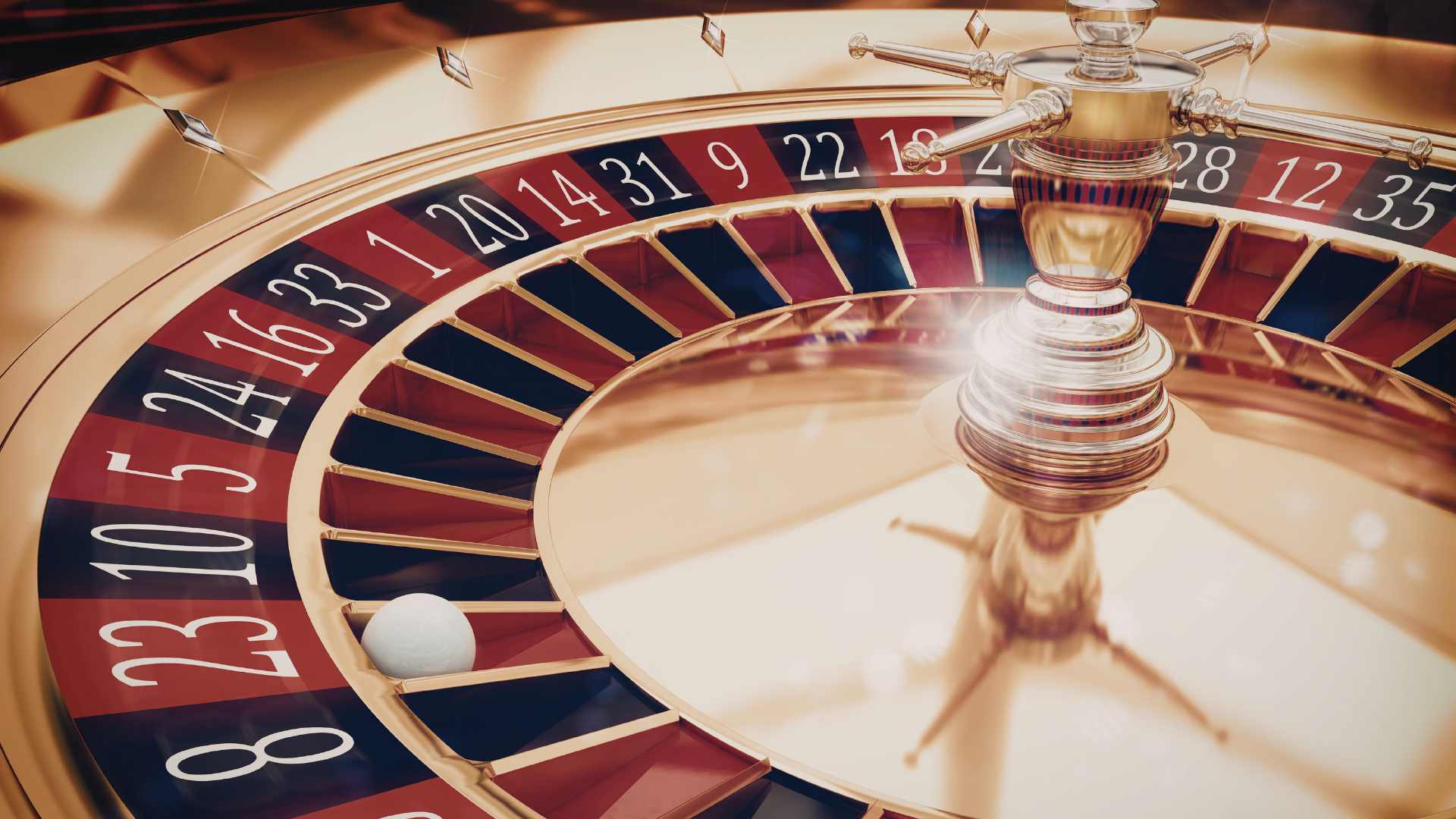
Roulette wheels are often at the center of conspiracy theories. Some players believe that wheels are subtly biased or “loaded” to favor the house beyond the standard mathematical edge. Others assume dealers can influence outcomes through spin technique or timing.
In regulated casinos, roulette wheels are carefully tested for fairness. Even minor physical imperfections are monitored because they could affect long-term statistical balance. While historical cases of biased wheels have existed in the distant past, modern oversight makes intentional manipulation highly unlikely in licensed environments.
More importantly, roulette outcomes are governed by probability. Each spin is independent, and no memory of past results exists within the wheel itself. The house advantage is built into the structure of the game through payouts, not mechanical deception.
Card Counting as a “Guaranteed Win” System
Card counting is often portrayed in popular culture as a secret method for beating blackjack consistently. While it is true that card counting can shift odds slightly in favor of a skilled player under specific conditions, it is far from a guaranteed system.
Casinos are aware of this strategy and actively counter it through multiple-deck shoes, frequent shuffling, and surveillance of betting patterns. In addition, card counting requires intense concentration, mathematical skill, and ideal conditions that are rarely sustained in real-world play.
The myth persists because it offers a narrative of control in a game that is fundamentally uncertain. In practice, it is a narrow advantage strategy, not a reliable path to profit.
The Idea That Casinos Can “Turn Off” Wins
Another widespread belief is that casinos can adjust machines or systems in real time to prevent payouts during busy periods or after large wins. This misconception often arises after losing streaks, when players feel outcomes are being deliberately controlled.
In regulated systems, slot machines are not dynamically adjusted based on player behavior. Payout percentages are programmed within certified parameters and audited over time, not changed moment-to-moment on demand.
What can happen, however, is variance. Short-term results can deviate significantly from expected averages, creating emotional highs and lows that feel intentional but are actually statistical fluctuation.
The Myth of Lucky Rituals
Superstitions are deeply embedded in gambling culture. Lucky charms, rituals, specific seating positions, and personal routines are common among players. While these practices can increase confidence and enjoyment, they do not influence game outcomes.
Random systems do not respond to behavior, intention, or symbolism. However, rituals do serve a psychological purpose. They create a sense of control in an environment defined by uncertainty. This can make the experience more engaging and emotionally stable, even if it has no effect on results.
Why These Myths Persist
Casino myths endure because gambling is emotionally intense. Humans are naturally inclined to search for patterns, especially in uncertain situations. When money is involved, the brain becomes even more sensitive to perceived signals of control or prediction.
Wins are memorable, losses are painful, and randomness can feel unfair. In this emotional landscape, myths offer explanations that make outcomes feel less arbitrary. They transform chance into something that can be understood, influenced, or decoded.
Conclusion
Whispering stories about loaded decks, hot machines, and hidden controls are part of gambling culture, but they do not reflect how modern casinos actually operate. Today’s systems are built on mathematics, regulation, and verified randomness, not secret manipulation.
What these myths reveal is not dishonesty in the system, but the human need to find meaning in uncertainty. Casinos may be designed for entertainment, but the stories people tell about them are shaped by psychology. In the end, the real mystery is not the machines or the wheels, but the mind trying to make sense of chance.
